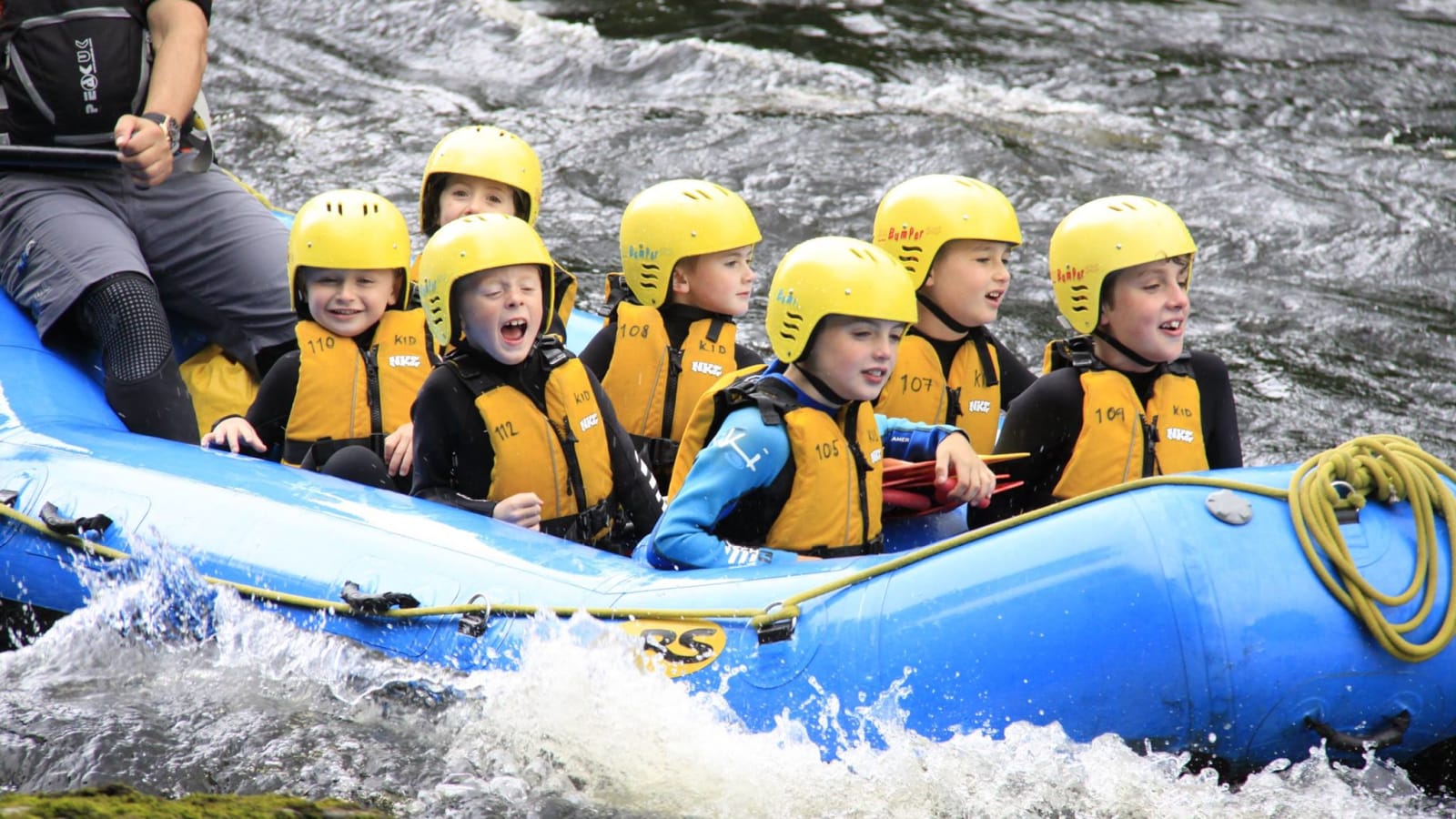
White Water Rafting · Highlands
How to choose
Both tours are run by Nae Limits, last 3h and are rated “Occasionally sporty”, so the choice comes down to the river, not the operator. The River Tay option (65 €) tackles Scotland's longest river, known for powerful class III rapids and high-volume flow through the Pitlochry corridor. The River Tummel option (65 €) meets at Wester Clunie Farm and runs a more contained stretch of whitewater, with tighter lines and a slightly different character despite the near-identical price. Pick the Tay for raw volume and bigger waves. Pick the Tummel if you want a tighter, more technical read of the current.
Compare · 2 offers
Our picks
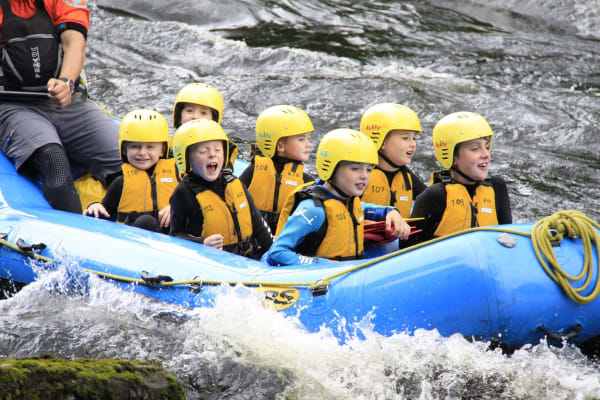
White Water Rafting on the River Tay
The River Tay's high water volume delivers the most powerful rapids of the two options, making it the go-to for maximum intensity at 65 € for a 3-hour session.
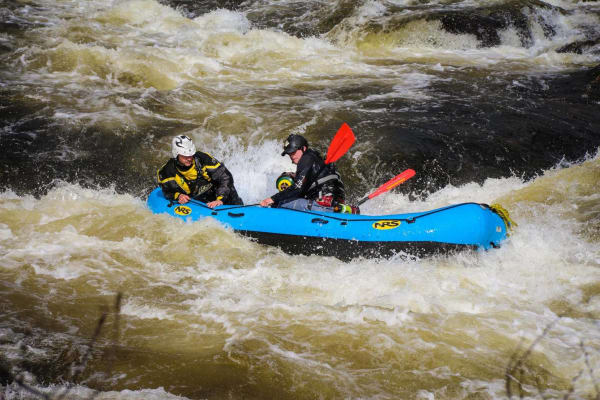
White Water Rafting on the River Tummel
The River Tummel's tighter course at Wester Clunie Farm offers a more contained 3-hour introduction to reading whitewater lines, at 65 €.
Frequently asked questions
How intense is white water rafting in the Highlands?
Both rivers are classified as “Occasionally sporty”, meaning you'll hit genuine rapids that demand active paddling, but you don't need prior experience. Expect bursts of adrenaline followed by calmer stretches where you recover before the next drop.
Which river gives the bigger rush, the Tay or the Tummel?
The River Tay is Scotland's longest river and carries significantly more water volume, which translates to larger waves and more powerful hydraulics. The Tummel is shorter and tighter, offering a more technical feel. If raw power is the priority, the Tay is the answer.
Do I need to be scared of flipping?
Capsizing is a real possibility on both rivers, especially in high-flow conditions between May and September. Guides from Nae Limits are trained in swift-water rescue, and all participants wear helmets and buoyancy aids. Knowing how to swim is strongly recommended.
What's the most intense moment of the session?
On the River Tay, the standing waves in the main gorge section are consistently flagged as the peak moment, where the raft bucks and the crew has to paddle hard to punch through. On the Tummel, tighter bends create sudden surges that catch paddlers off guard.
When is the best time to raft in the Scottish Highlands?
The season runs from May to September. Late spring (May to June) typically brings snowmelt from the Grampians, which boosts river levels and increases intensity. Mid-summer sessions are more accessible for first-timers as flows stabilise.
Best time to go
| Month | Temperature | Rainfall | Conditions |
|---|---|---|---|
| January | 1.5 °C | 117.4 mm | Poor |
| February | 2.1 °C | 100.2 mm | Poor |
| March | 2.5 °C | 88.2 mm | Possible |
| April | 5.5 °C | 84 mm | Possible |
| May | 8.4 °C | 85.6 mm | Possible |
| June | 12.9 °C | 67.8 mm | Good |
| July | 14.3 °C | 66.8 mm | Good |
| August | 12.9 °C | 87.3 mm | Good |
| September | 11.1 °C | 94 mm | Good |
| October | 7.5 °C | 105.6 mm | Possible |
| November | 3.9 °C | 111.5 mm | Poor |
| December | 3.3 °C | 81.1 mm | Possible |
Practical info
Equipment
Wear a swimsuit or quick-dry base layer under the wetsuit provided on-site. For a 3-hour “Occasionally sporty” session, secure any glasses with a strap and leave jewellery behind. Bring a dry change of clothes and a towel for after.
Getting there
Both tours depart from the Pitlochry area: the River Tay session meets at NAE Limits, General Wade's Military Rd, Ballinluig, Pitlochry PH9 0LG, while the River Tummel session starts at Wester Clunie Farm, Nr Pitlochry PH16 5NF, both reachable via the A9 from Perth or Inverness.
See also
White Water Rafting elsewhere
Other activities in Highlands
Updated September 2026