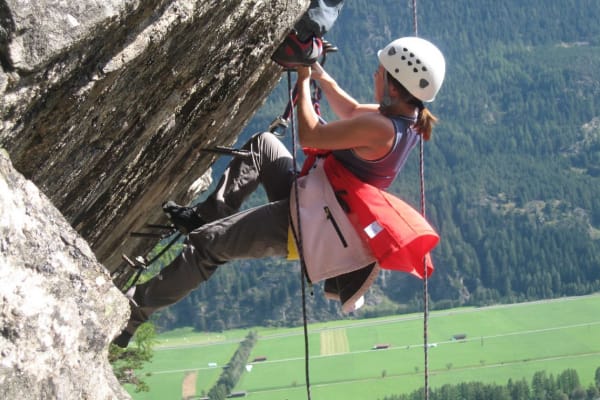
Via Ferrata in Ötztal
4 €85–€105 5.0 (22)
Austria hosts some of the most vertical via ferrata routes in the Alps, with fixed iron rungs climbing faces that exceed 800 m of exposed relief, making via ferrata in Austria a benchmark for European mountain climbers. The rock is predominantly limestone and dolomite, offering grippy but unforgiving surfaces. Routes here are graded from beginner-friendly (A/B) to extreme (E/F) on the standard Austrian scale. That spread means you can match the mountain to your exact level.
Beyond the top city listings, three areas define the Austrian via ferrata landscape. The Dachstein massif in Styria features multi-pitch itineraries above glacier terrain, with the iconic Westgrat reaching exposed ridges above 2 700 m. The Wilder Kaiser range in Tyrol packs densely bolted faces ideal for a half-day outing, accessible from the valley floor in under 30 minutes. The Gesäuse National Park gorges along the Enns river present a rare combination of canyon walls and via ferrata steel, with water-level starts and dramatic overhangs rated D/E.
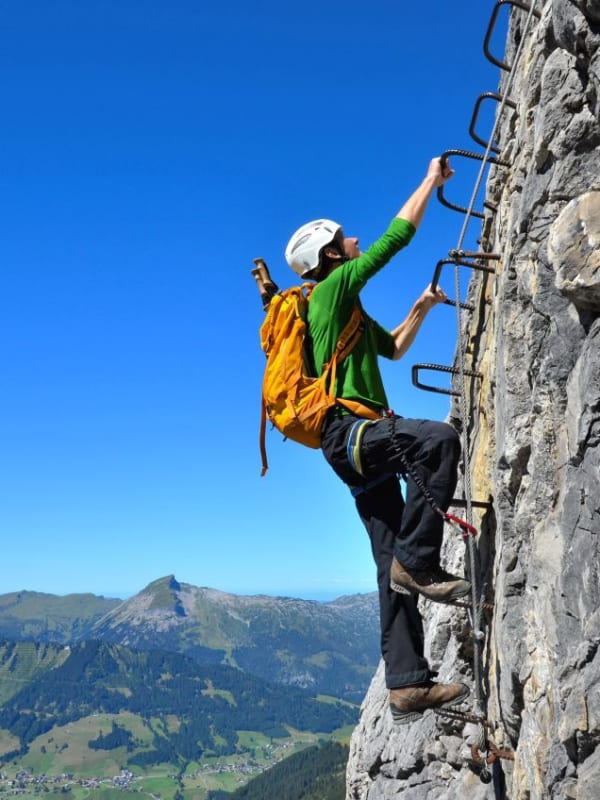
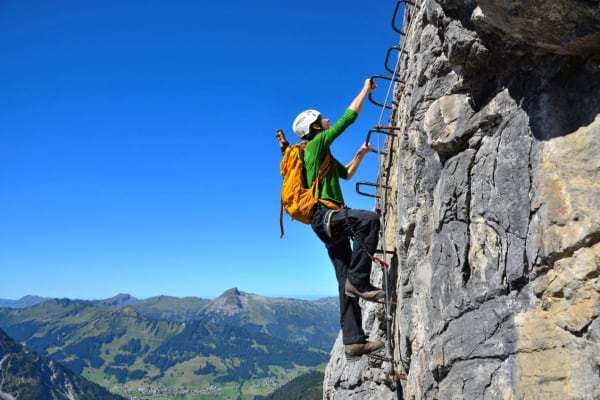
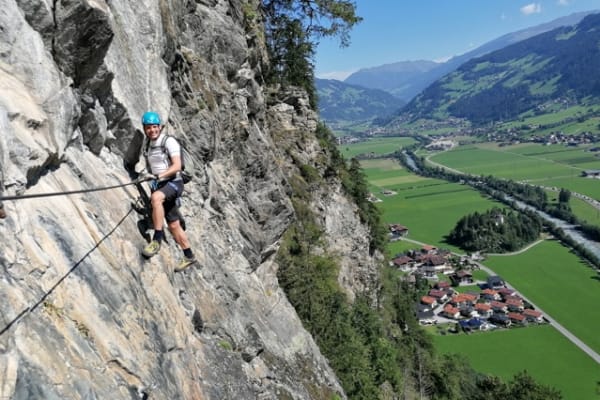

Guided via ferrata in Austria starts at 60 € per person in Mayrhofen, making it the most accessible entry point. Ötztal tours range from 85 € to 100 €, while Zillertal experiences start at 120 €. Salzburg offers the widest price range, from 69 € to 134 € depending on route grade and group size. Full-day alpine routes in high-altitude areas naturally sit at the upper end.
September and October are the best months for via ferrata in Austria. Rock faces are dry, summer crowds have thinned and daylight remains sufficient for full-day routes. The general season runs from May through October, but early summer (May,June) can bring lingering snow on high-altitude routes above 2 000 m in areas like the Ötztal and Dachstein massif.
Via ferrata routes in Austria span grades A/B (beginner) to E/F (extreme). Beginner routes in the Wilder Kaiser range require basic fitness and no prior climbing experience. Harder D/E routes in the Gesäuse National Park demand solid upper-body strength and comfort with exposure. Most guided tours specify the grade upfront, and operators in Ötztal are rated 5.0/5 for matching clients to the right level.
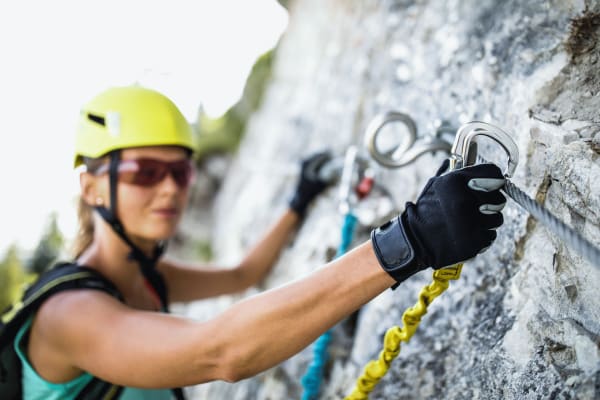
A via ferrata set (klettersteig set), a helmet and a harness are mandatory for all routes in Austria. Most guided tours in Ötztal, Zillertal and Mayrhofen include equipment rental in the listed price. For high-altitude or north-facing routes, a fleece layer and waterproof jacket are strongly recommended, as temperatures above 2 500 m can drop sharply even in August.
Yes, several via ferrata itineraries in Austria are specifically designed for first-timers. Routes graded A and B in the Wilder Kaiser and around Salzburg offer short exposed sections, solid fixed steel cables and well-maintained iron rungs with manageable vertical gain. Salzburg-based tours start from 69 €, making them a practical starting point for anyone attempting their first klettersteig experience.
Discover our complete guide for your first experience.
Updated September 2026