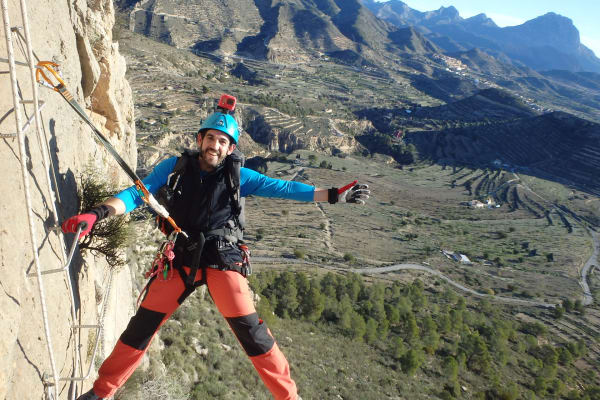
Via Ferrata in Alicante
17 €39–€65 5.0 (63)
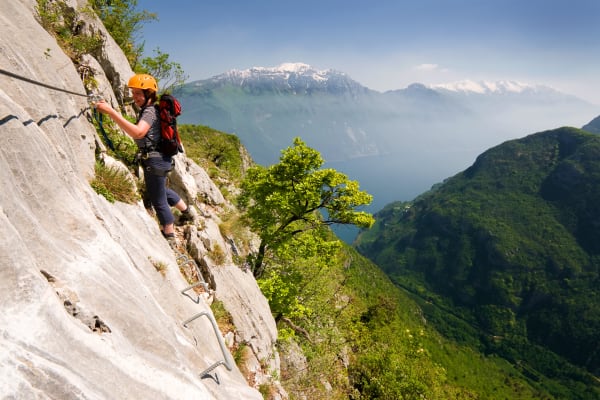
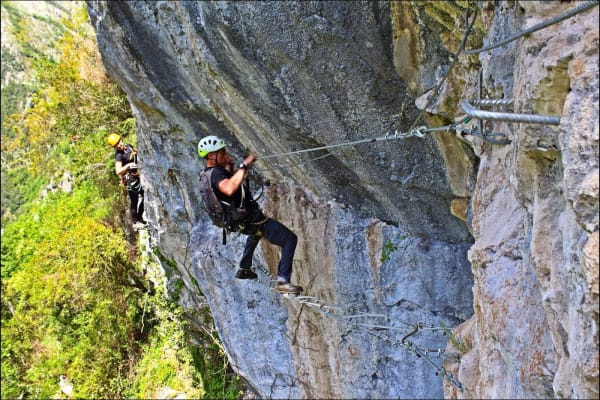
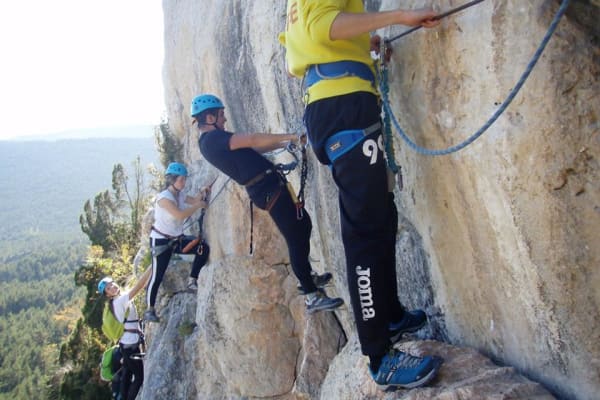
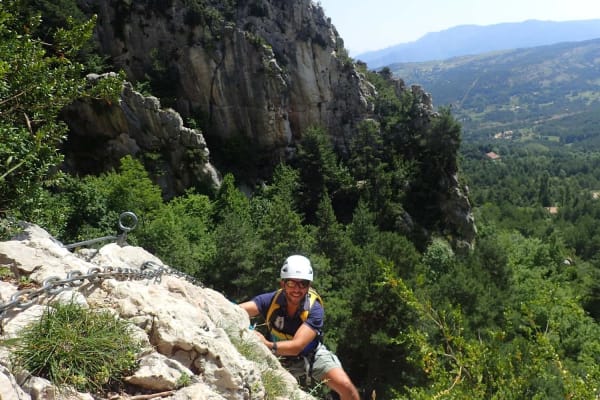
Clipping into a steel cable at 400 meters above a limestone gorge is the entry-level experience that Via Ferrata in Spain delivers across dozens of routes. Spanish rock faces combine near-vertical walls, iron rungs hammered into the cliff, and exposed ridgelines that make each ascent a measurable adrenaline event. The country's geology, forged by the Pyrenees, the Sierra Nevada and the Picos de Europa, gives climbers a density of technical terrain that few European destinations match. From a beginner K1 route to a punishing K6 multi-pitch, the difficulty spectrum is wider here than almost anywhere else on the continent.
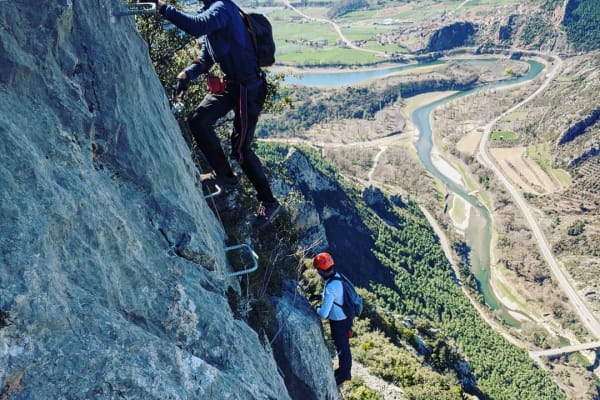
The Gorges of La Hermida in Cantabria cut through limestone walls up to 900 meters high, offering intermediate K3 routes with fixed stemples and sustained exposure above the Río Deva. Further south, the cliffs around El Chorro in Málaga province host the legendary Caminito del Rey corridor, where narrow ledges and traverses above a 300-meter canyon define what a Spanish via ferrata initiation looks and feels like. In the Valencian Community, sites near Villahermosa del Río stack two separate routes, La Mina (K3+) and La Muela (K3), accessible back-to-back for climbers looking to push beyond a single pitch. In the northeast, Vallcebre in the Berguedà comarca of Catalonia rewards harness-and-helmet newcomers with a family-friendly circuit rated K1 to K2, with panoramic views over the pre-Pyrenean massif.
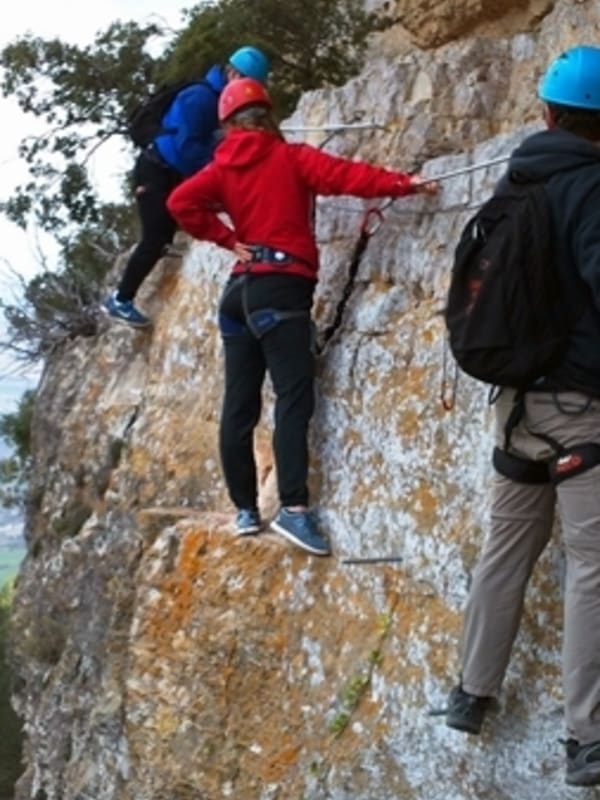
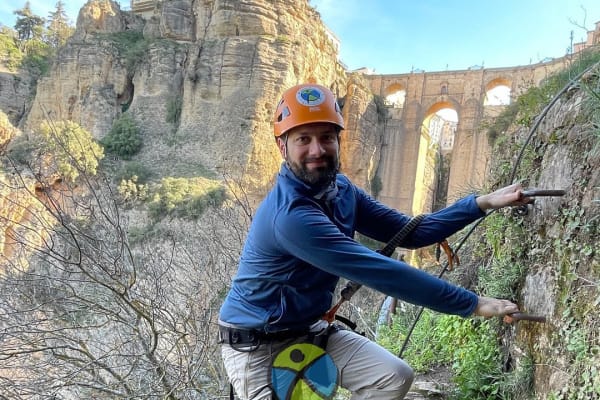
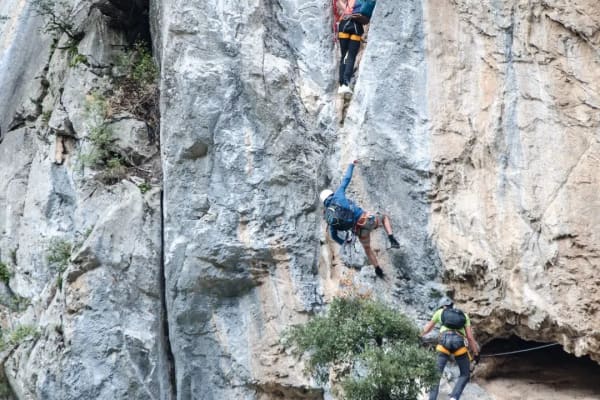
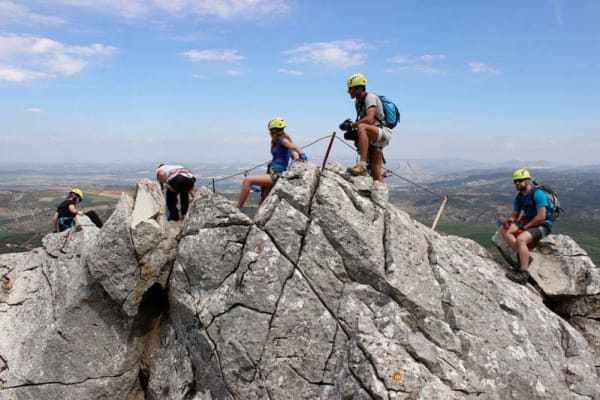
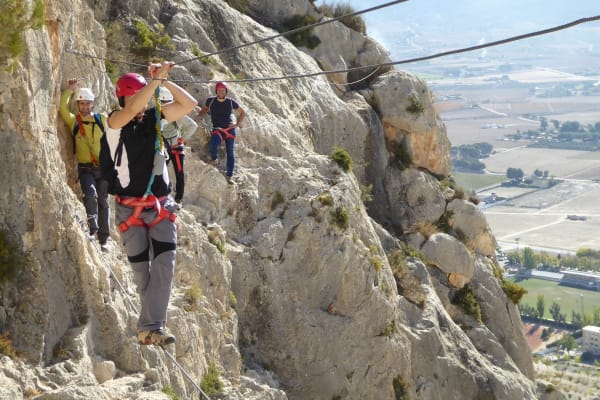
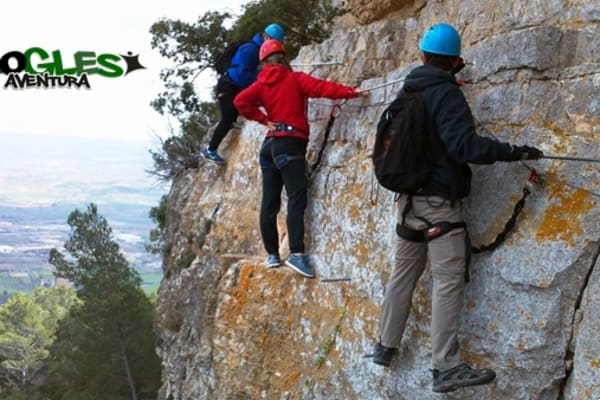
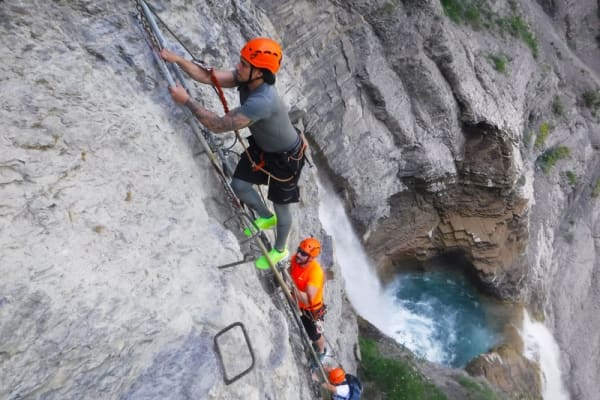
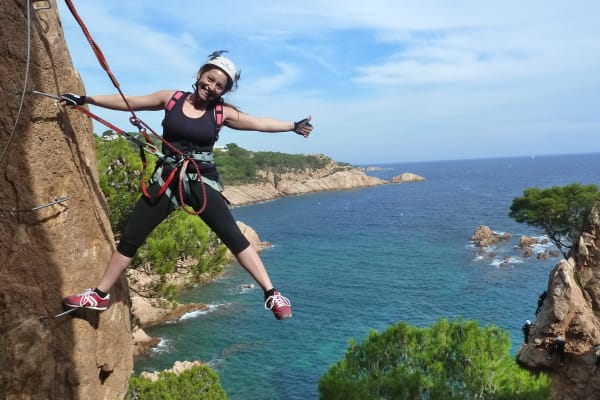
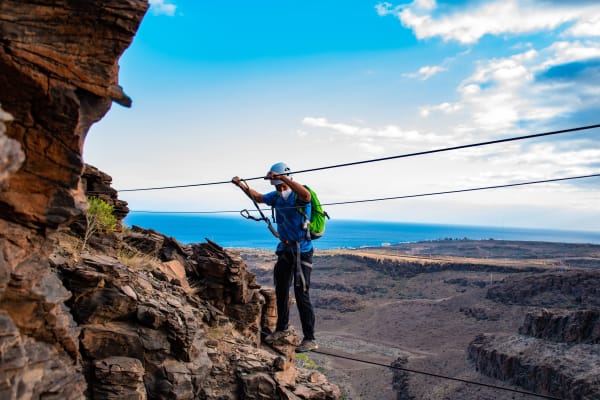
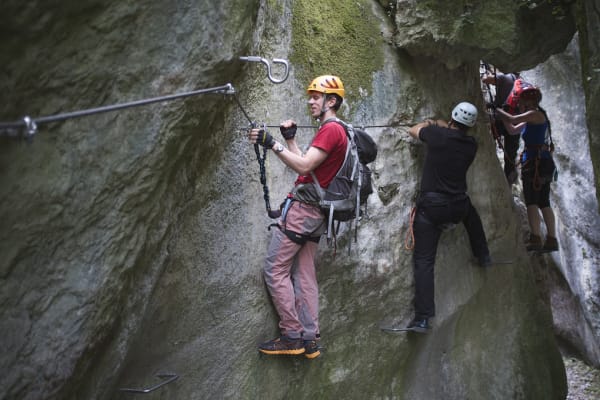
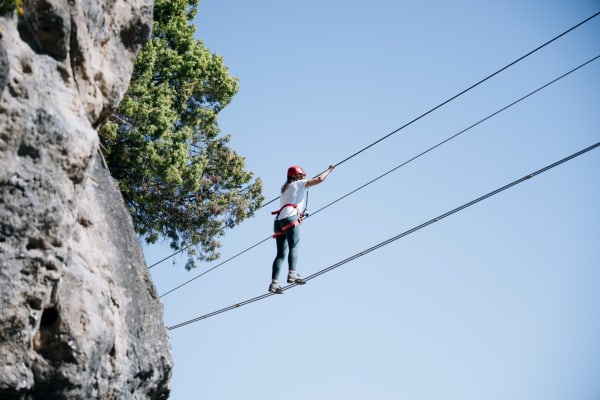

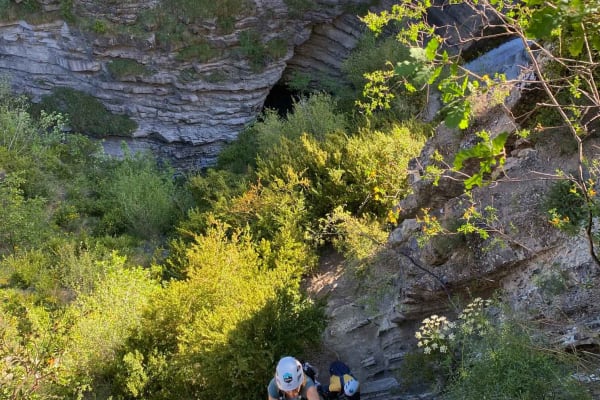
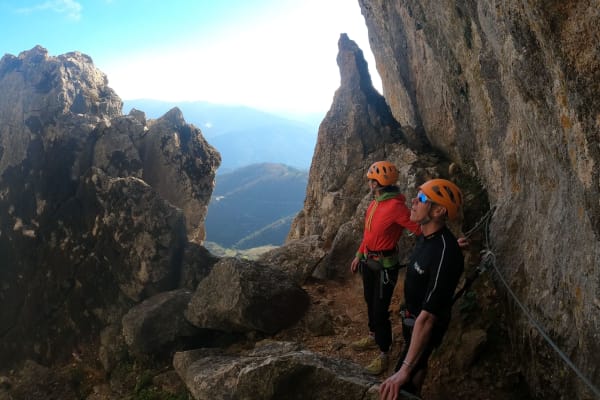
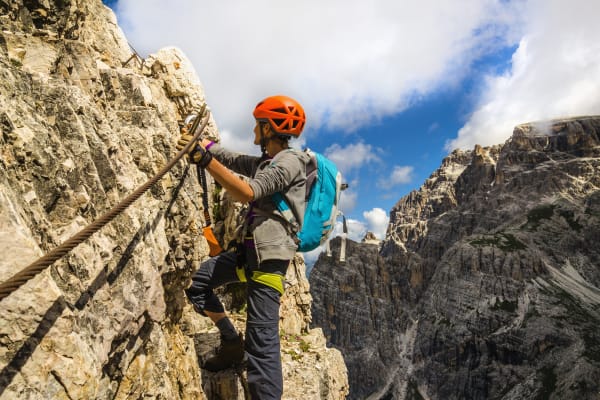
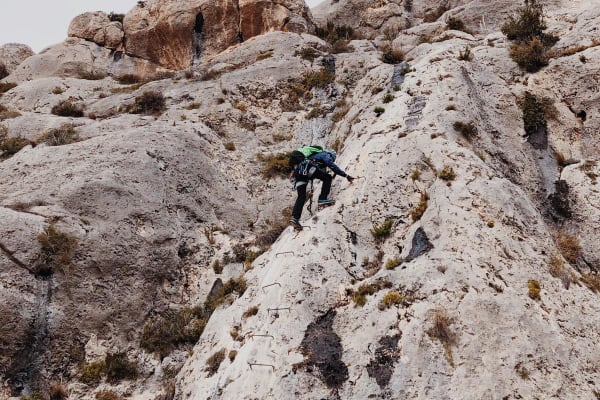
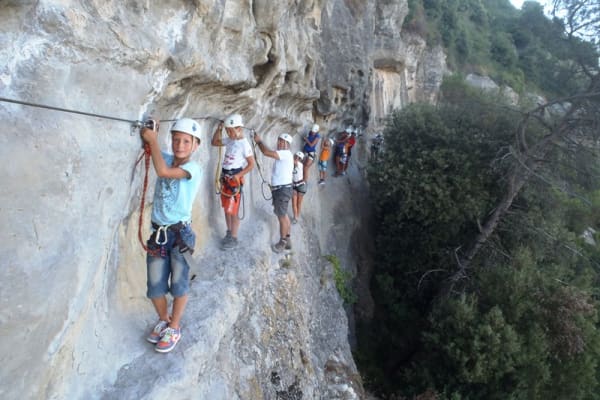
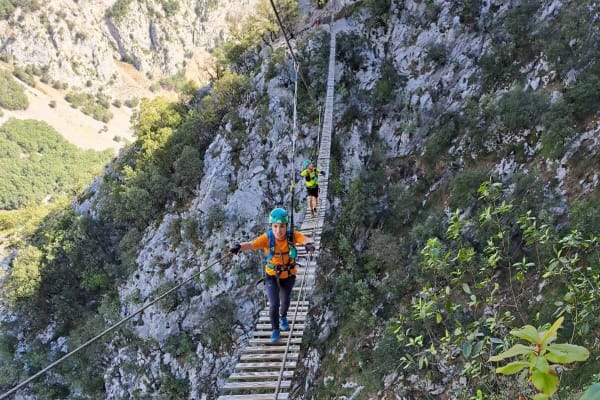
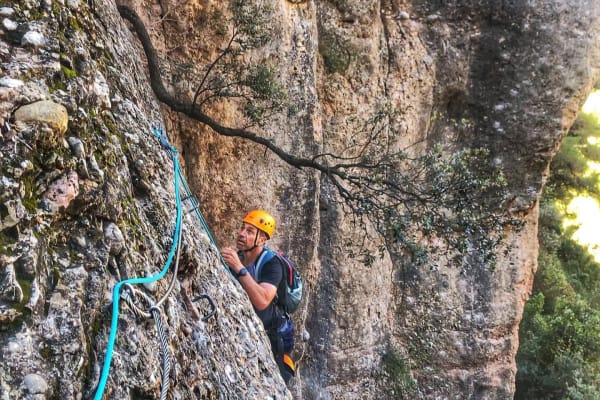
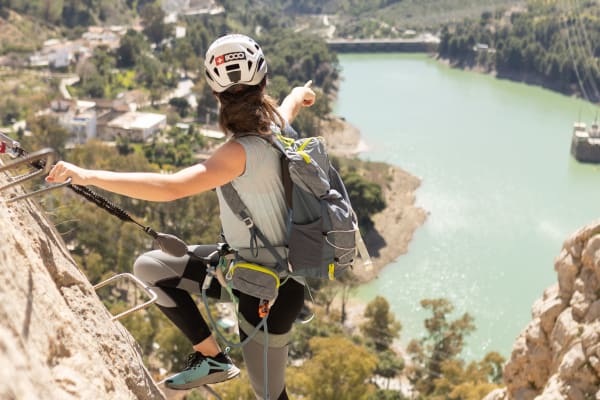
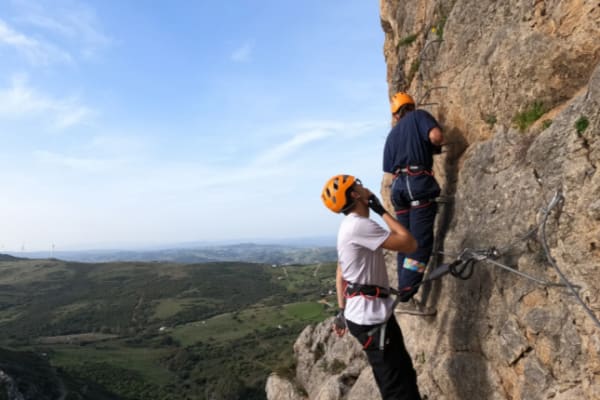
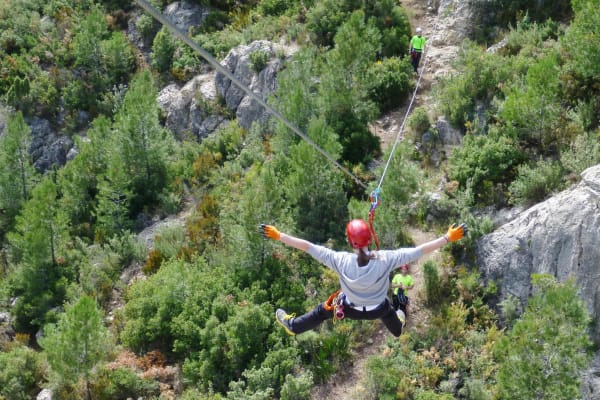
Guided via ferrata in Spain starts from 25 € per person in Granada, making it one of the most affordable Spanish mountain experiences. Alicante routes range from 39 € to 60 €, while Ronda sessions go from 30 € up to 140 € depending on group size and route difficulty. Private guiding and K5,K6 multi-pitch itineraries carry the highest rates across the country.
The main season for via ferrata in Spain runs from May through October, when rock is dry and daylight is long. South-facing routes near Málaga and Ronda are also climbable in winter after midday, when afternoon sun warms the limestone. Summer ascents at altitude in the Picos de Europa or the Pyrenees are best started before 9 a.m. to avoid afternoon heat on exposed ridgelines.
No prior climbing experience is required for K1 and K2 initiation routes. Spain has a wide range of beginner-friendly options, including routes near Villanueva del Rosario in Málaga rated K1 on the ascent. Operators in Alicante (rated 5.0/5 on 18 reviews) provide full equipment: harness, via ferrata lanyard and helmet. Good physical fitness and a head for heights are the only real prerequisites.
Ronda scores the highest verified rating in Spain at 5.0/5 across 19 reviews, with entry prices from 30 €, making it the strongest data-backed choice for a first Spanish via ferrata. Granada is the cheapest starting point from 25 €. For variety within a single trip, the Valencia region stacks multiple K3,K6 routes in proximity, ideal for progressing difficulty within the same weekend.
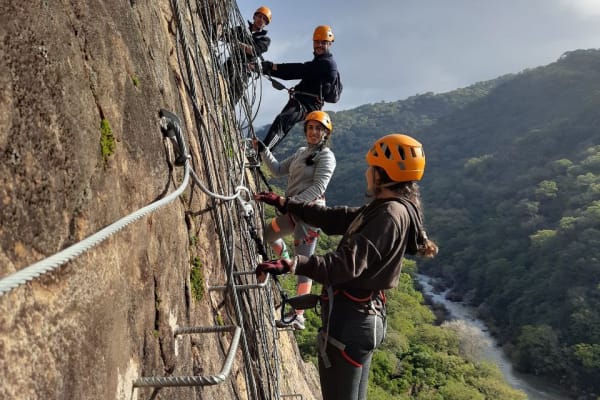
The essential gear for via ferrata in Spain includes a via ferrata lanyard with shock-absorbing arms, a certified harness, a helmet and approach shoes with a stiff sole. Most licensed operators in Spain supply all technical equipment in the booking price. On routes above 1,000 meters elevation, a light windproof layer is recommended, especially on Picos de Europa or Pyrenean circuits where temperatures can drop sharply after midday.
Discover our complete guide for your first experience.
Updated September 2026