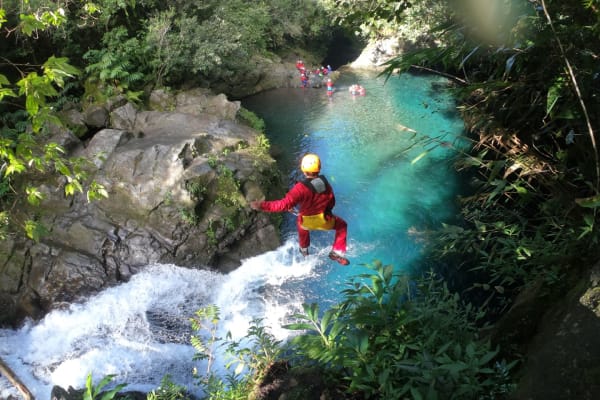
Canyoning in Langevin River, Saint-Joseph
7 €55–€100 5.0 (159)
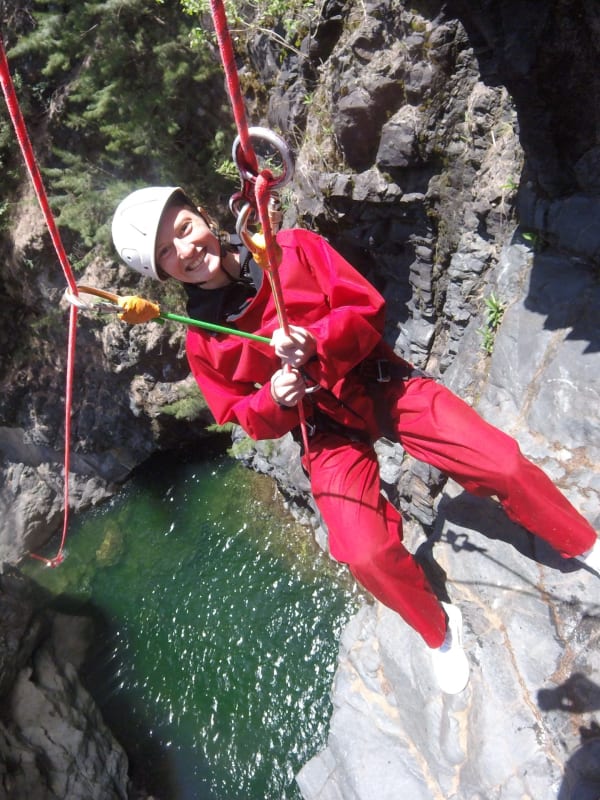
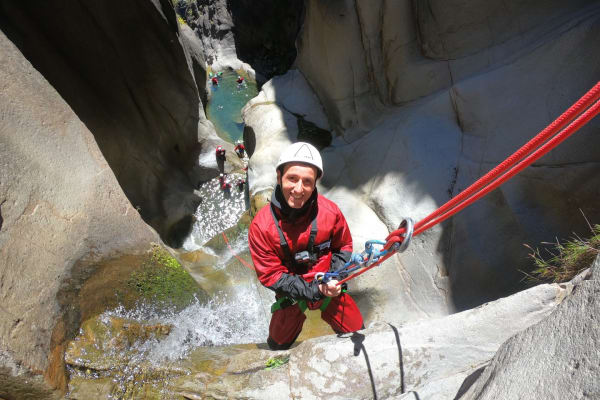
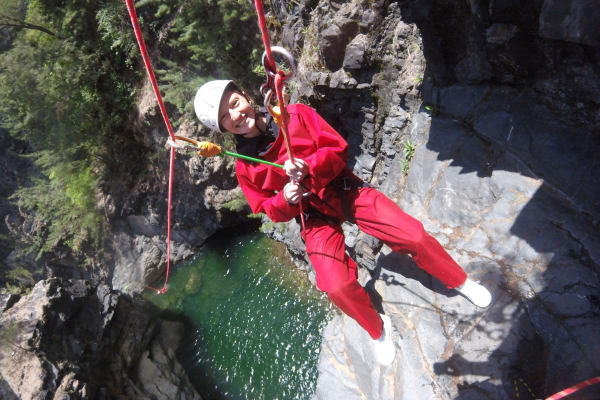
Rappels of over 80 meters into jet-black volcanic basalt pools define canyoning in Reunion Island, one of the most technically demanding canyon destinations on the planet. The island's steep relief, shaped by shield volcanoes and millennia of tropical erosion, produces near-vertical gorges that no flat-terrain destination can replicate. Water temperatures in the active canyons hover around 18°C year-round, fed by permanent spring flows from the Piton des Neiges massif. This is not beginner-by-default terrain: the geology sets the level before the guide even clips your harness.
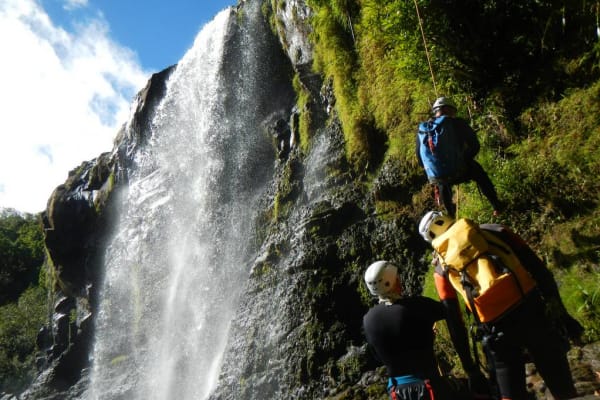
Three canyon systems define the island's variety beyond the top-listed rivers. The Bras Rouge gorge, cutting through the Cirque de Cilaos caldera walls, combines technical rappels with narrow slot passages carved by centuries of flash flooding. The Takamaka canyon on the eastern flank near Saint-Benoit offers multi-pitch descents through dense rainforest canopy, with water volumes that surge sharply after rainfall. Further south, the Grand Galet section along the Langevin Valley stacks successive jump pools and sloping vasques reaching depths of 4 to 6 meters, rewarding intermediate to advanced canyoners with sustained commitment.

May through September is the prime window for canyoning in Reunion Island, corresponding to the dry austral winter. Water flows are lower and more predictable, reducing flash-flood risk in gorges like Bras Rouge and Grand Galet. That said, the island's season data shows favorable conditions across most months, with only the peak cyclone weeks (typically January to March) requiring day-by-day flow checks before descending.
Prices for canyoning in Reunion Island start at 45 € at Marsouins River near Saint-Benoit, making it the most accessible entry point. Cirque de Cilaos packages range from 65 € to 77 €, reflecting the added technical difficulty and longer approach. Langevin River, Saint-Joseph sits between 55 € and 100 € depending on itinerary length. All prices typically include neoprene wetsuit, helmet and harness rental.
No prior canyon experience is required for introductory descents on Reunion Island, but swimmers must cover at least 25 meters unaided. Initiation itineraries at Langevin River are graded for first-timers, while Takamaka and Bras Rouge are reserved for participants comfortable with rappels and mandatory jumps above 5 meters. Guides certified by the Fédération Française de la Montagne et de l'Escalade assess the group before departure.
Langevin River, Saint-Joseph holds the top rating for canyoning in Reunion Island, scoring 5.0/5 across 164 verified reviews. It offers the widest range of itineraries, from half-day introductory slots to full-day technical descents through stacked jump pools and vasques. Its consistently high scores reflect both the terrain quality and the guide-to-client ratio maintained by local operators.
Operators across Reunion Island provide a neoprene wetsuit, helmet and harness as standard equipment for every canyoning session. Aquatic shoes with grip soles are also supplied by most outfitters at Cirque de Cilaos and Marsouins River. Participants should bring a swimsuit to wear under the wetsuit and a dry bag for personal items. No personal technical gear is required or recommended for guided descents.
Discover our complete guide for your first experience.
Updated September 2026