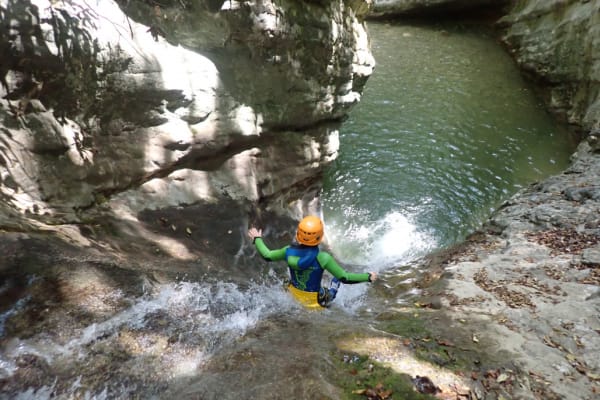
Canyoning in Lake Garda
19 €65–€130 4.9 (794)
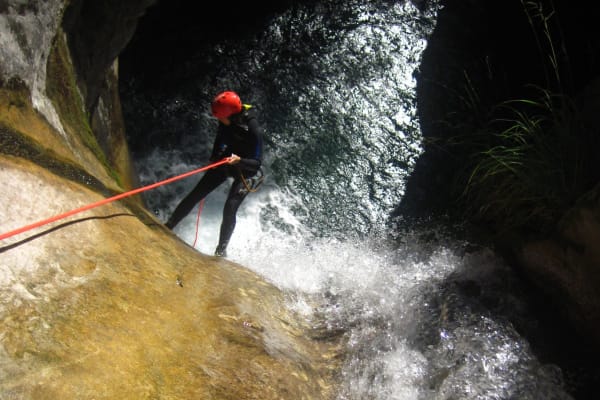
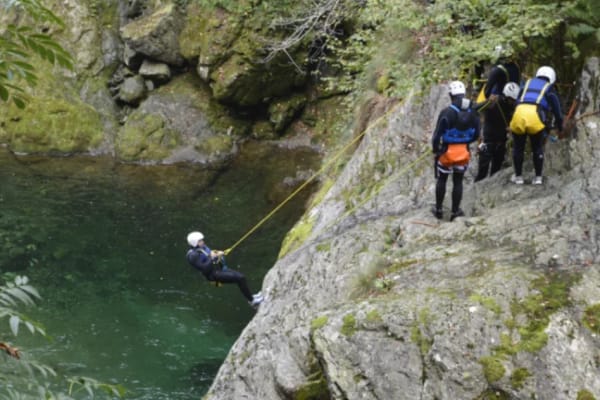
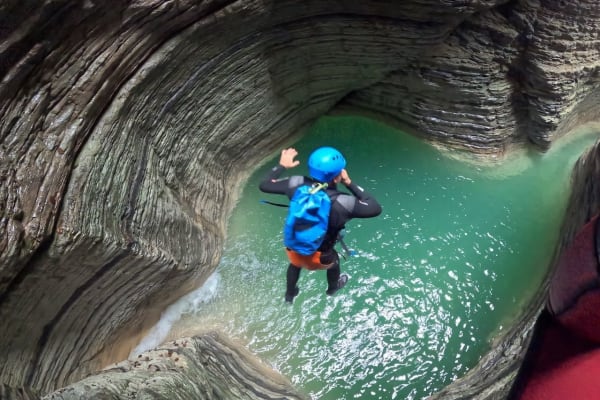
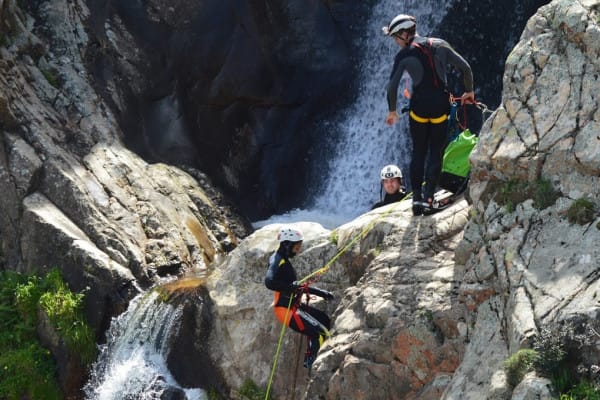
Rappels of up to 50 metres into ice-cold gorges carved over millennia: canyoning in Italy hits harder than almost anywhere else in Europe. The Italian terrain combines Alpine snowmelt rivers, volcanic rock channels and Mediterranean limestone slots into a single country, pushing water temperatures as low as 8°C in early season and canyon walls that close to just a few metres wide. That vertical drop and geological variety set the baseline for what to expect before you even pick a region.
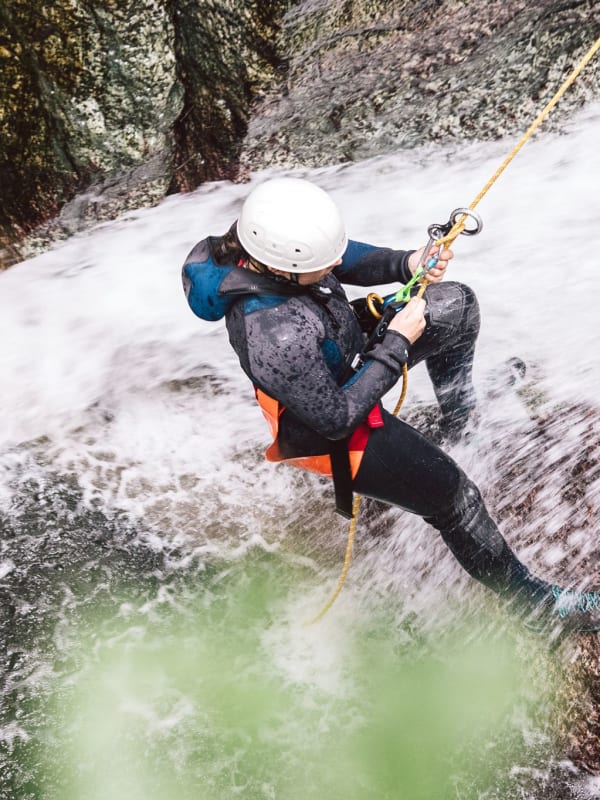
The Vajo dell'Orsa canyon near Brentino, in the Veneto foothills, is one of Italy's most technical beginner-to-intermediate descents, running 5 hours through polished limestone chutes with sustained rappelling sections that reward anyone comfortable in a harness. Further north, the River Chiese gorges cutting through Trentino offer multicoloured rock pools fed by the Adamello glacier, with difficulty levels spanning first-timers to experienced canyoneers. In Friuli Venezia Giulia, the Val Fleons canyon follows the Degano Stream through walls marked by First World War fortifications, adding a layer of history to every abseil. Down in Calabria, the Lao River canyon delivers warm water, wide vasques and long natural slides, making it one of the most accessible canyon descents in central-southern Italy.
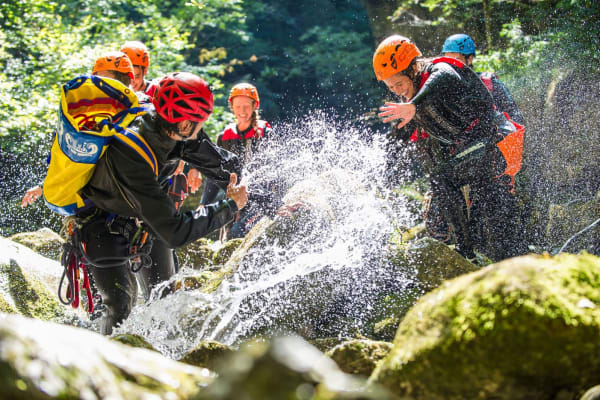
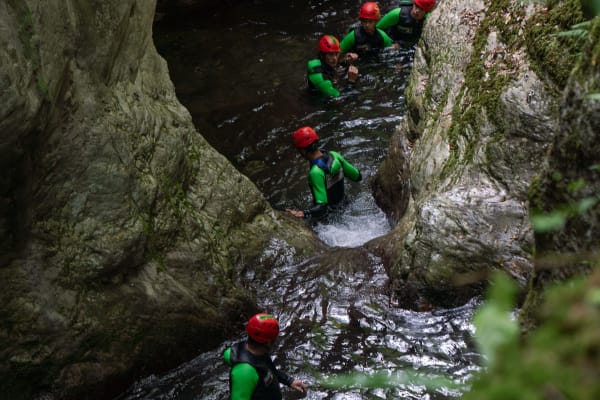
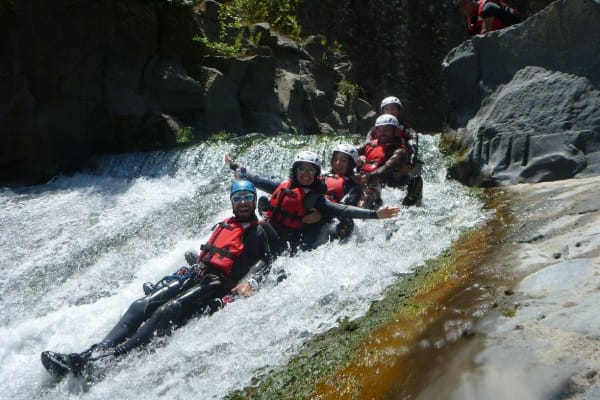
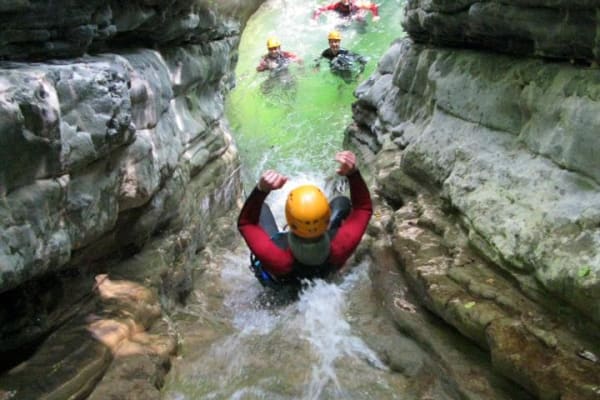
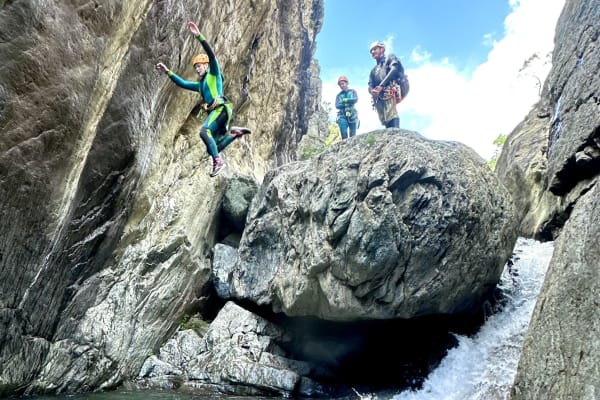
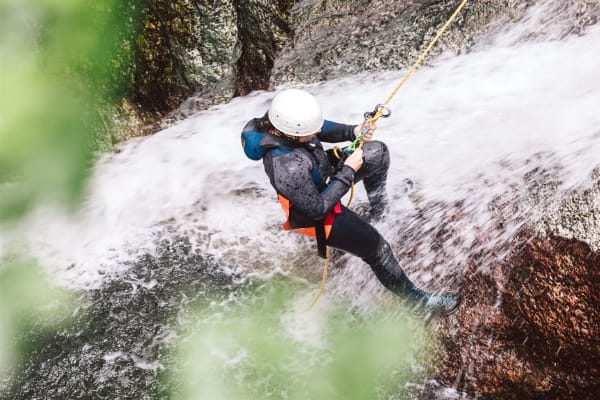
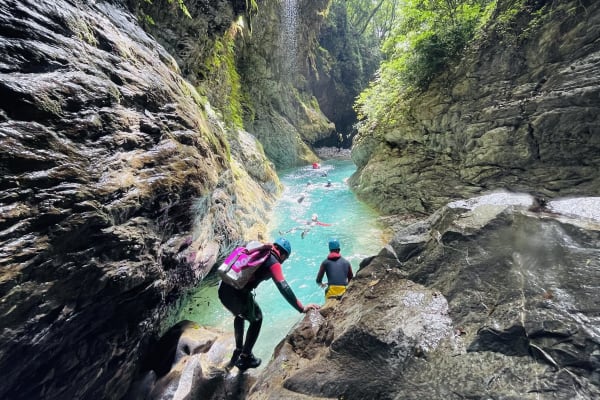
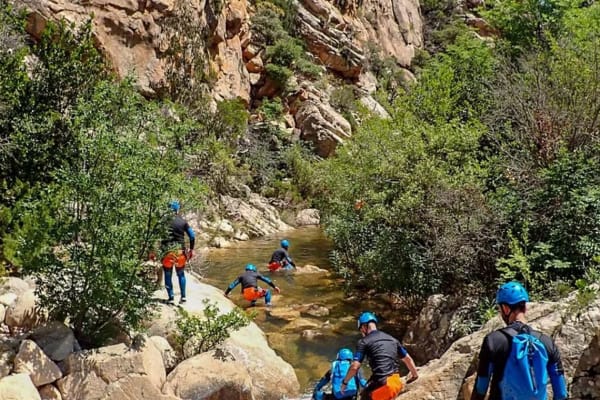
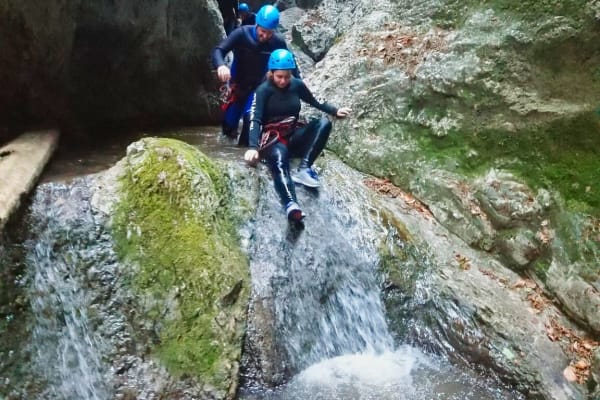
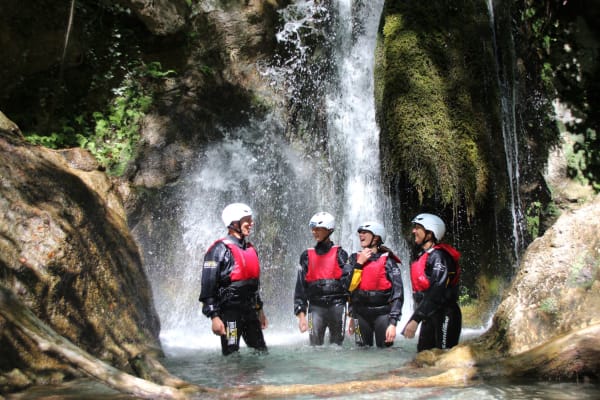
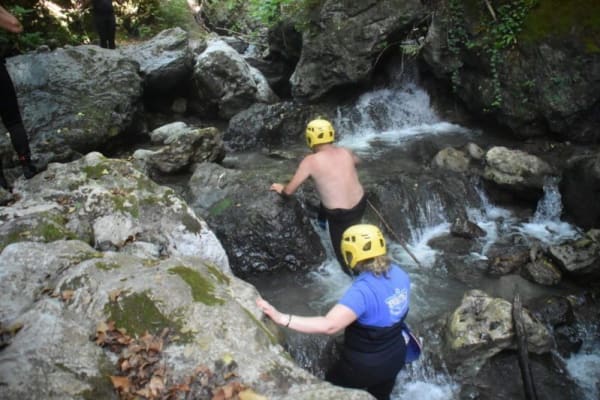
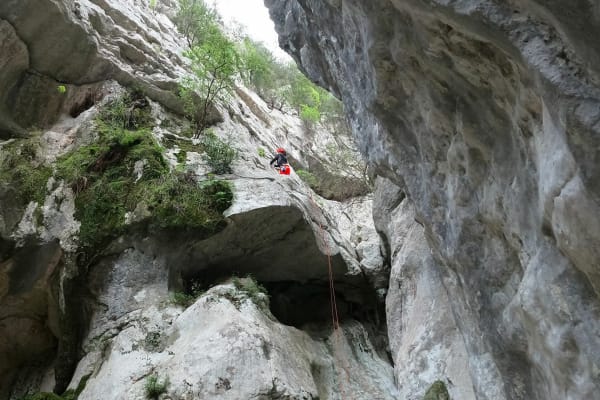
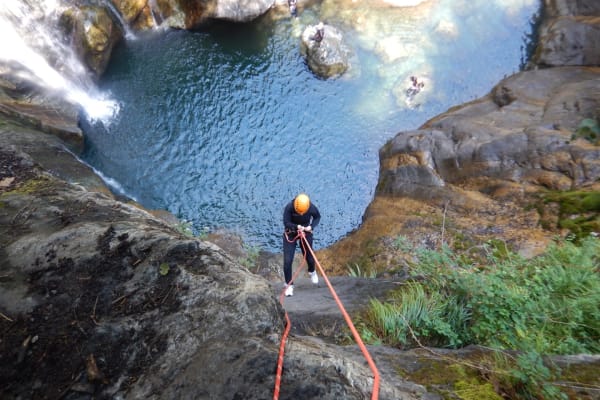
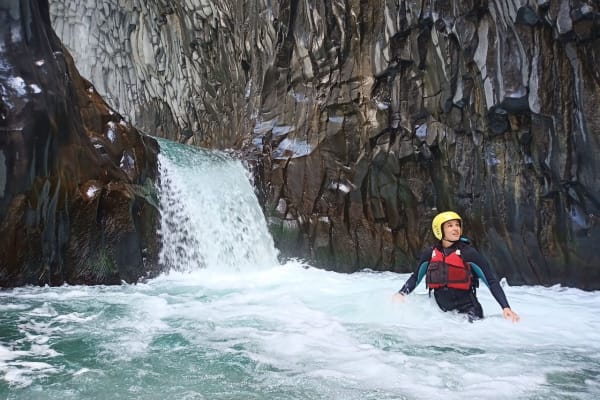
Canyoning in Italy starts at 20 € per person in Scalea, Calabria, making it one of the most affordable entry points in the country. Most guided half-day sessions range from 50 € to 85 € depending on duration and location. Lake Garda tours run from 65 € to 130 €, while Castelnuovo di Garfagnana in Tuscany starts at 70 €. Equipment including wetsuit, helmet and harness is generally included.
The main season for canyoning in Italy runs from May to September. July and August offer the warmest water temperatures, typically 14.18°C in southern locations like the Alcantara Gorge in Sicily, making those months ideal for beginners. Alpine and Dolomite canyons like those near Lake Garda and Alagna Valsesia are best tackled from June to August when snowmelt stabilises and flow levels are predictable.
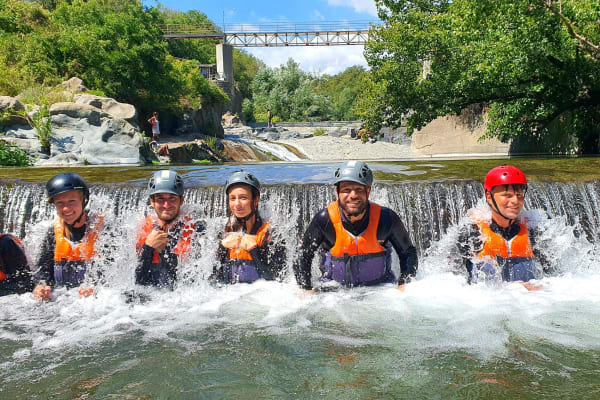
Yes, canyoning in Italy has strong options for beginners. The Alcantara Gorge in Sicily, rated 5.0/5 across 46 reviews, is widely accessible with natural slides and body rafting sections requiring no prior technical skills. Introductory canyon descents in Trentino along the River Chiese are also graded for first-timers. You need to be able to swim 50 metres and be comfortable with moderate heights. No climbing or abseiling experience is required for beginner routes.
The Alcantara Gorge in Sicily ranks as Italy's best-rated canyoning spot at 5.0/5 across 46 reviews, set in dramatic black basalt carved by the Alcantara River. Lake Garda leads on volume with 16 available tours rated 4.97/5 across 76 reviews. For technical canyoning, the Val Maor canyon in the Dolomites near Borgo Valbelluna and the Vajo dell'Orsa near Brentino are consistently recommended for their difficulty and scenery.
Operators across Italy typically provide a neoprene wetsuit (5 mm in Alpine zones), a helmet and a harness as part of the session fee. Canyoning shoes or neoprene boots are included by most guides. You should bring a swimsuit, a change of dry clothes and any personal medications. Operators certified by the Club Alpino Italiano carry group safety equipment including ropes and anchor systems rated for technical rappelling descents.
Discover our complete guide for your first experience.
Updated September 2026