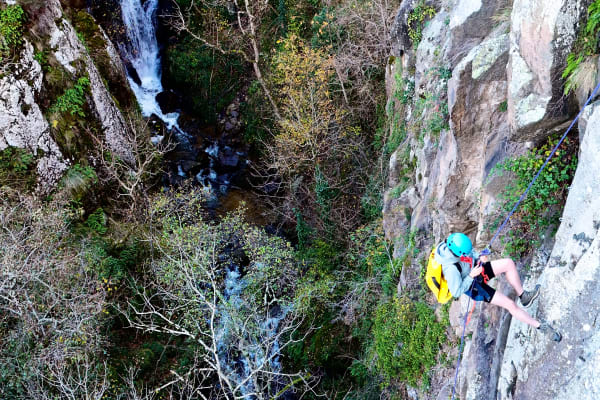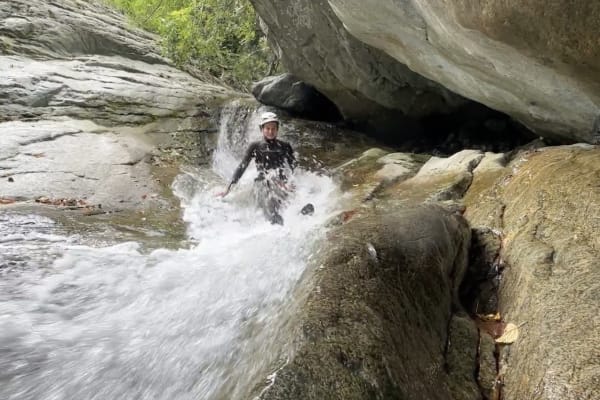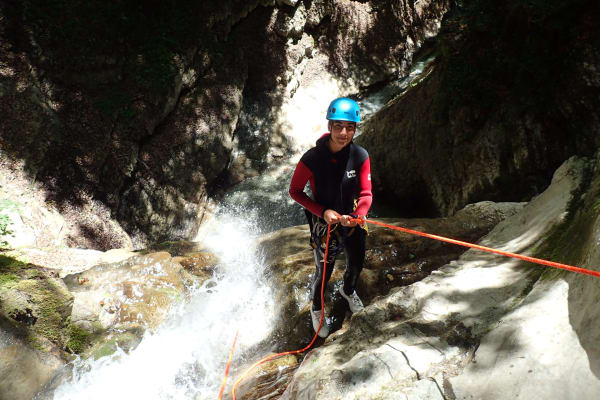
Canyoning in Annecy
22 €50–€109 5.0 (667)
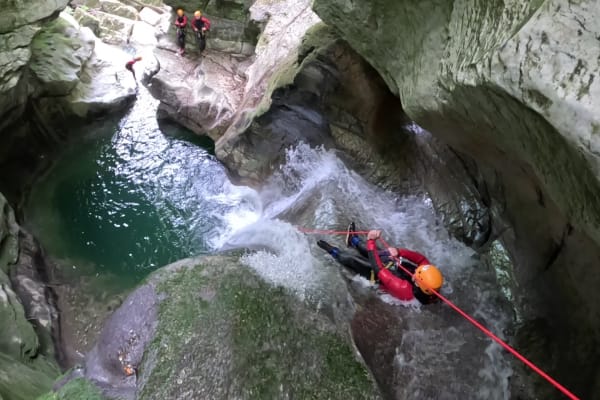
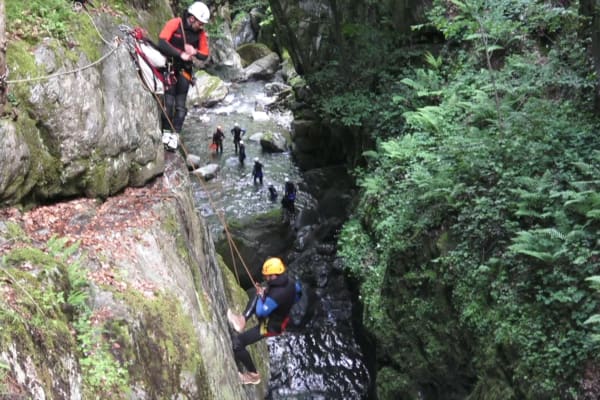
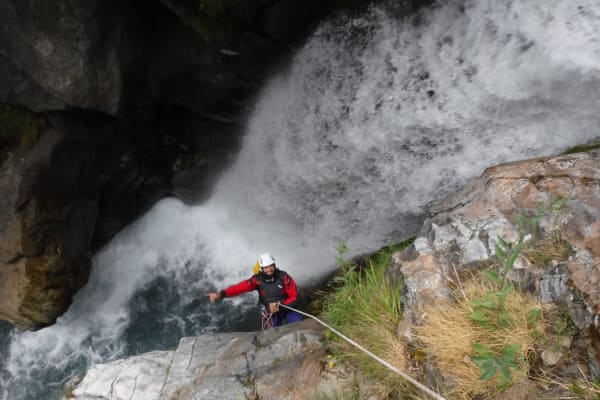
Rappelling down a 40-metre waterfall into a turquoise vasque is what canyoning in France delivers on a standard half-day outing. France ranks among Europe's most technically diverse canyon destinations, with vertical drops, glacial water temperatures, and terrain that separates beginner descents from full alpine commitments. The range is real, and so is the adrenaline.
The Gorges du Verdon in Provence cut 700 metres deep into limestone, offering some of the most demanding technical descents in the country, best tackled between June and August when water levels stabilise. Corsica's Bavella massif delivers wild granite canyons fed by the Solenzara river, rated 5.0/5 across 643 reviews, making it the highest-rated canyoning zone in the French data. The Pyrénées range along the Spanish border shelters narrow slot canyons in the Aude and Garonne watersheds, where water temperatures stay cold even in July. The Cévennes National Park in the south-central highlands rounds out the picture with canyon initiation routes accessible from late spring.
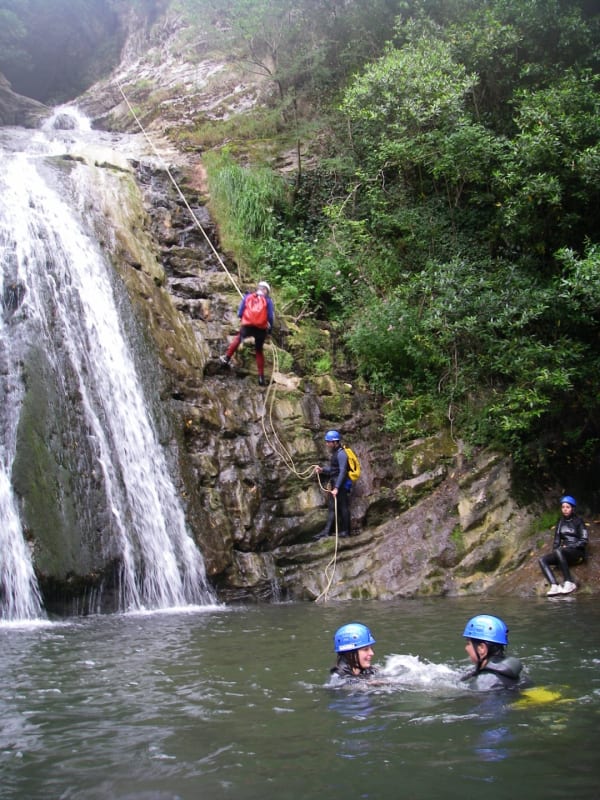
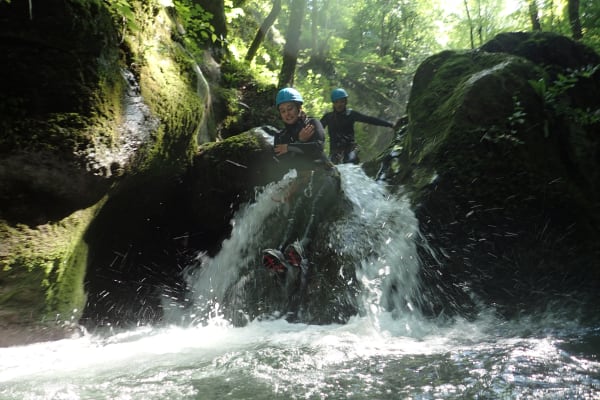
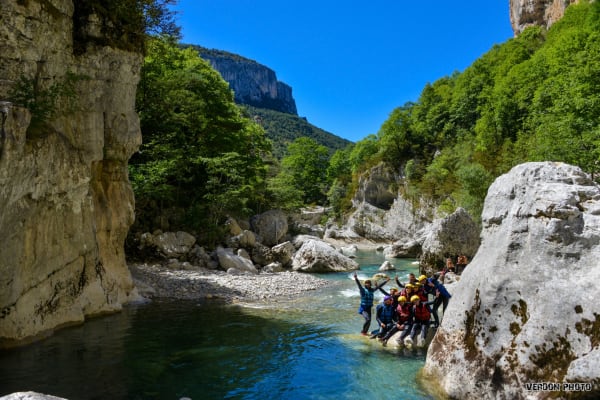
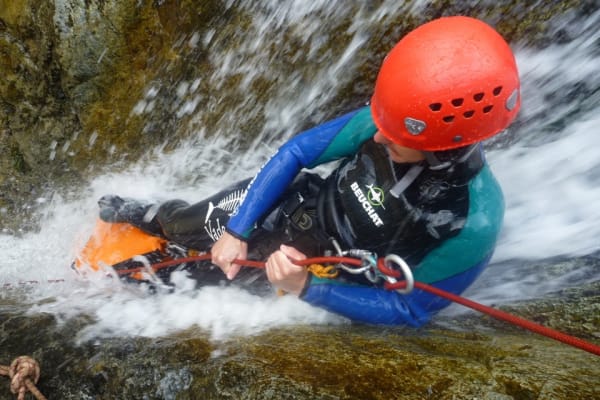
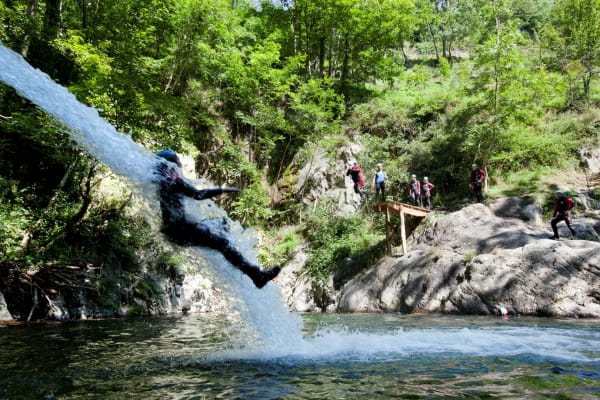
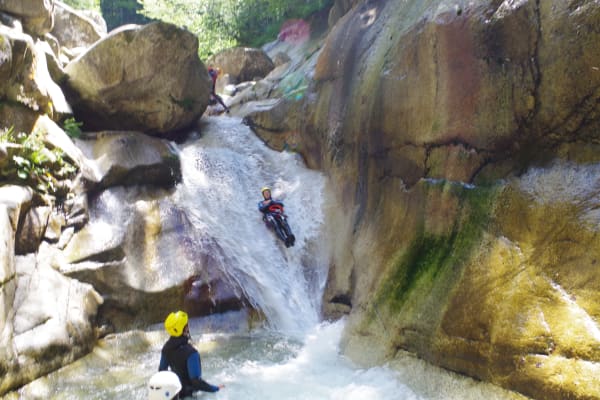
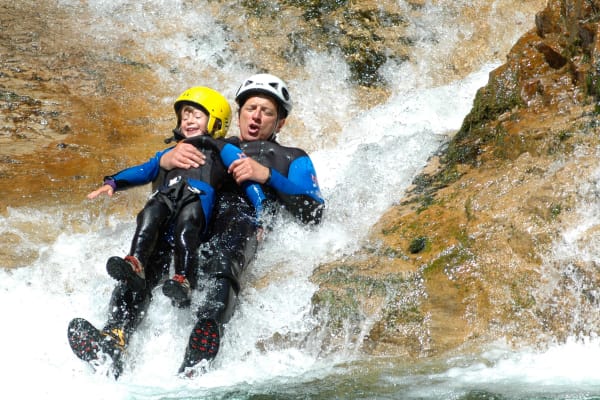
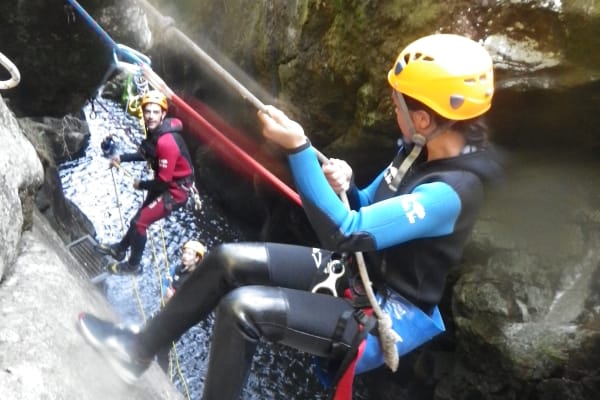
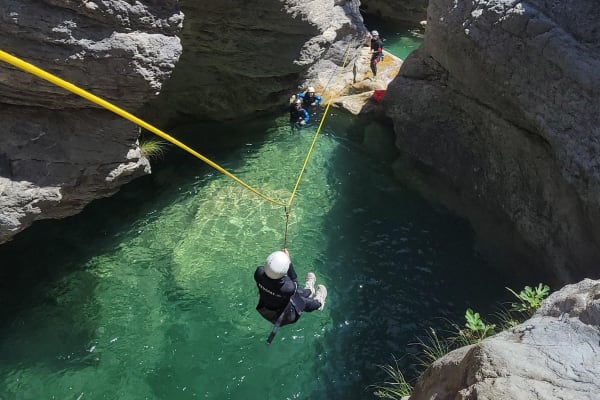
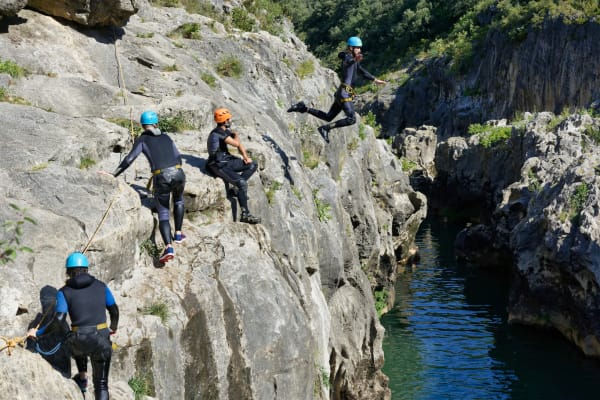
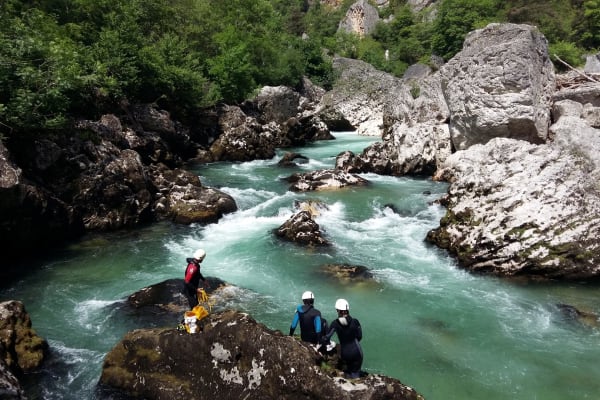
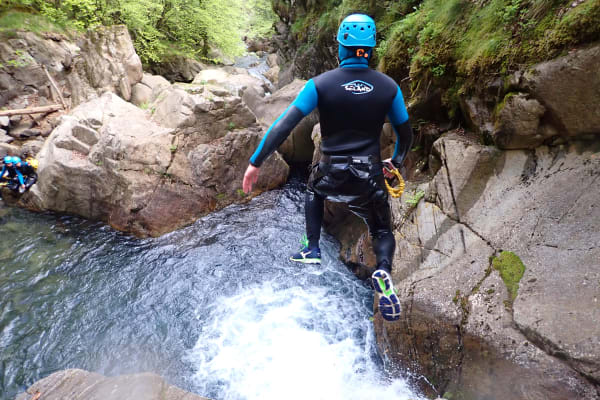
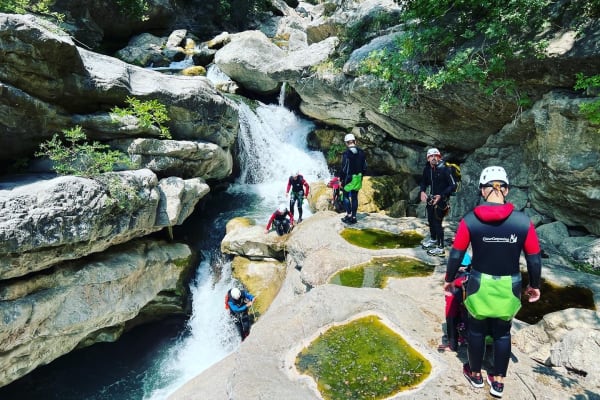
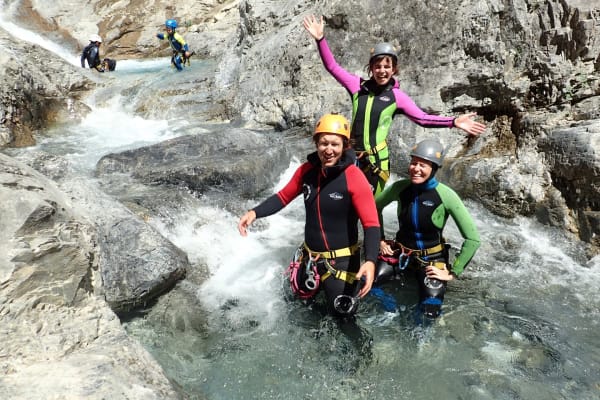
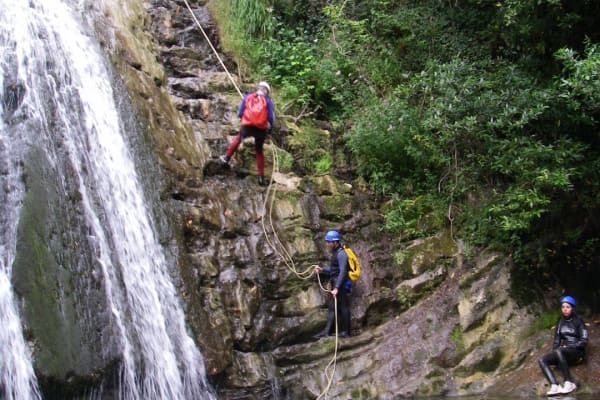
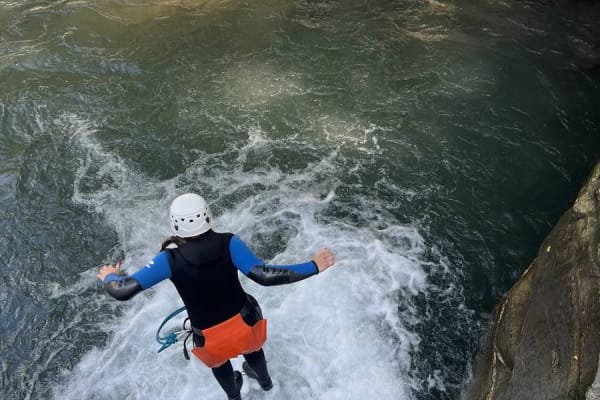
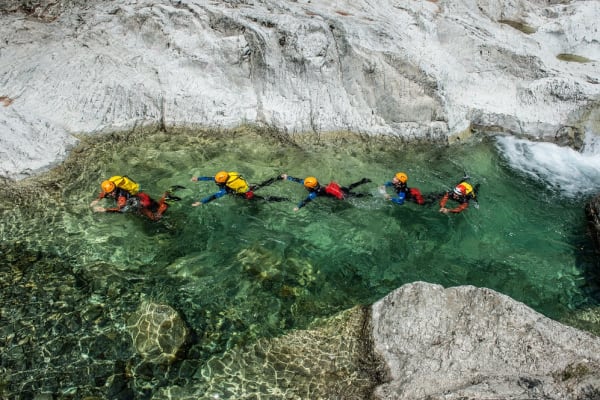
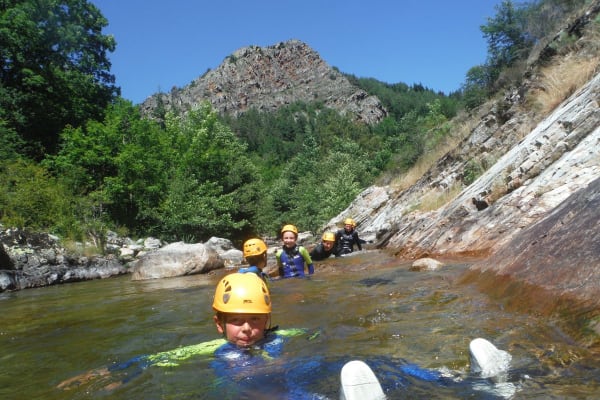
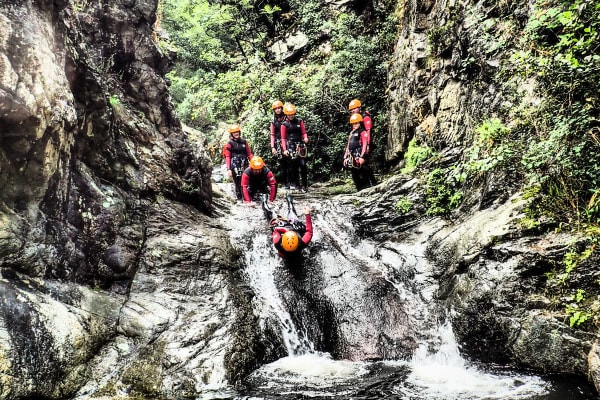
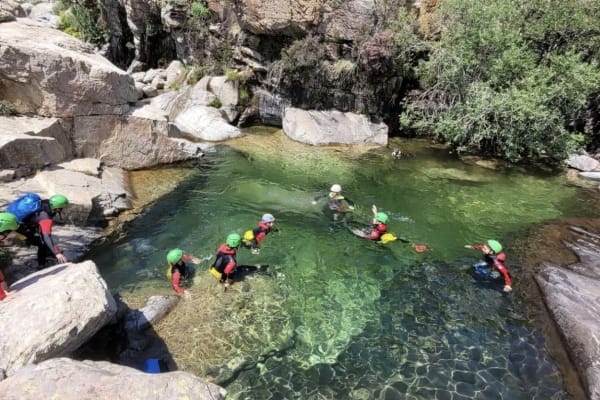
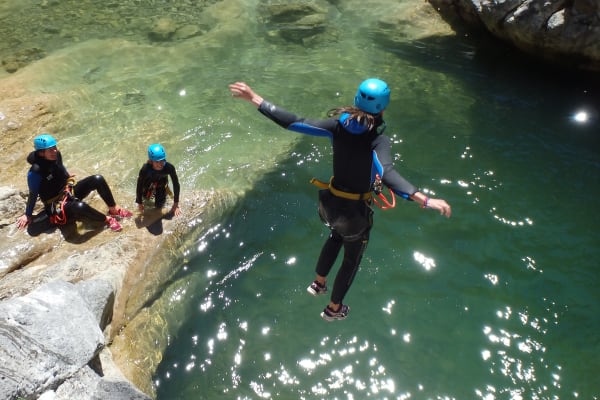
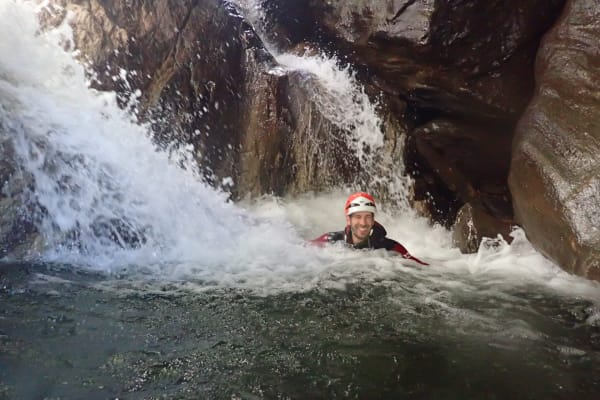
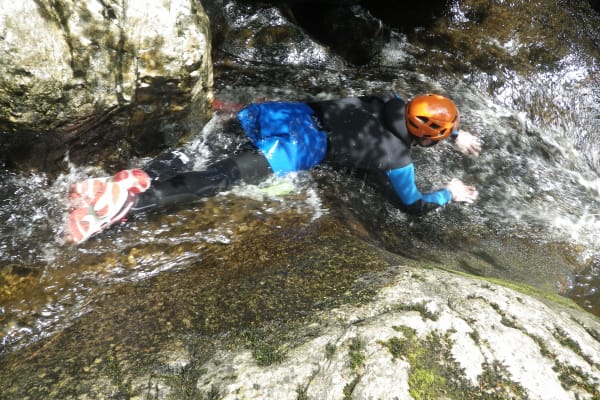
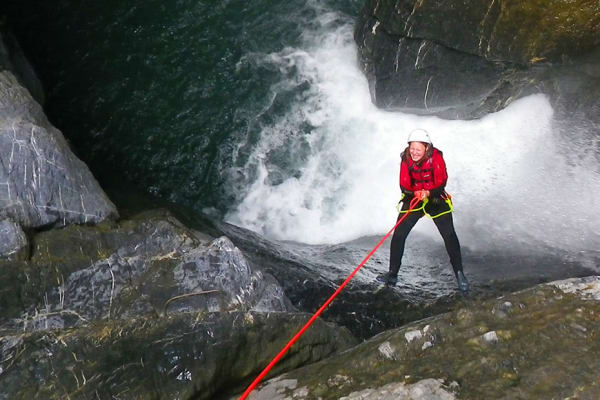
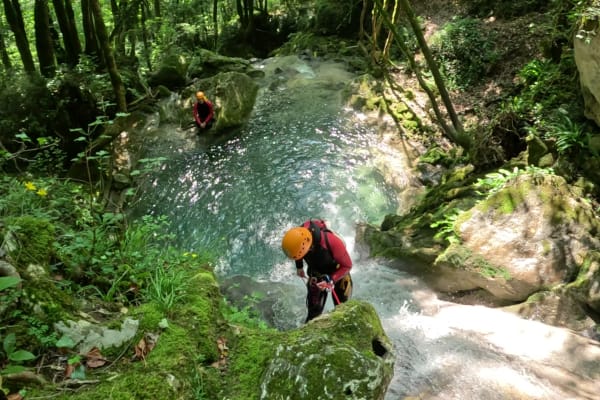
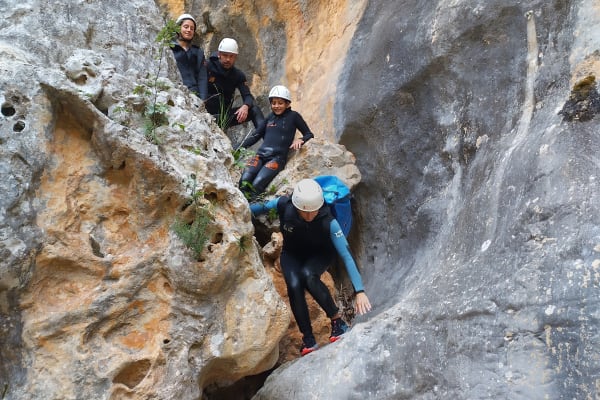
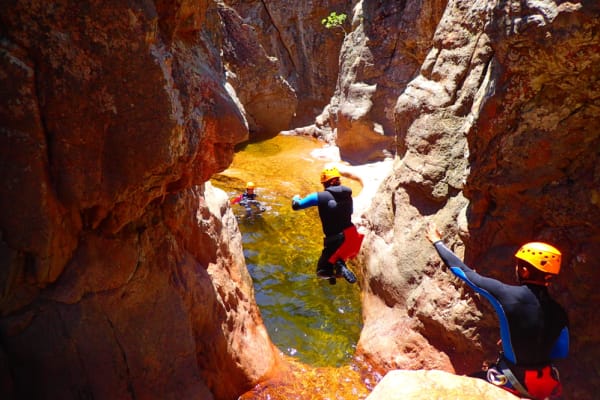
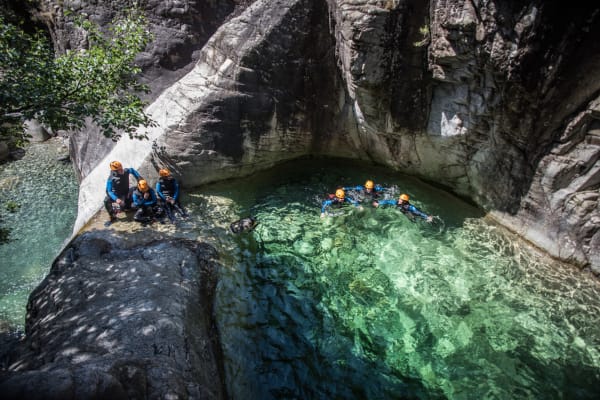
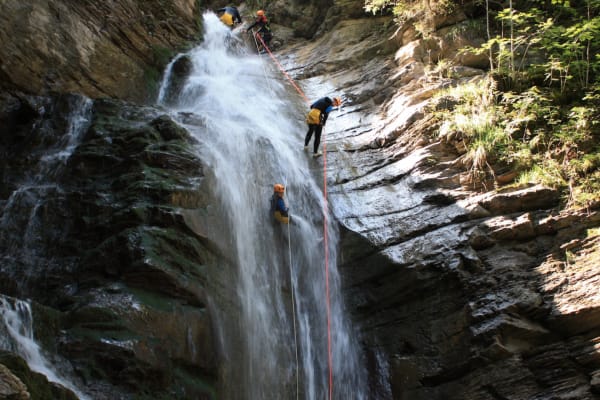
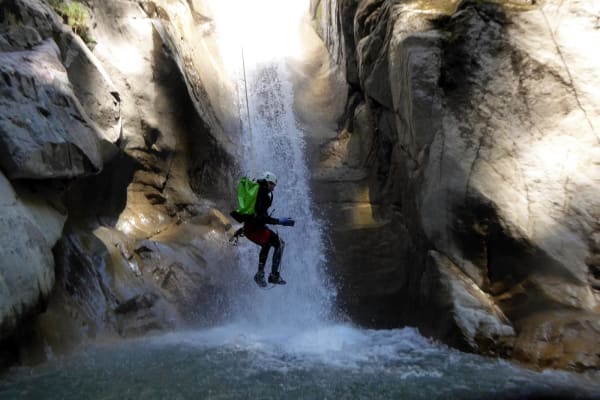
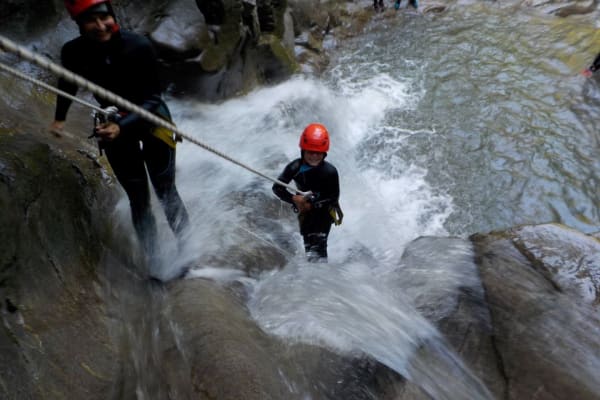
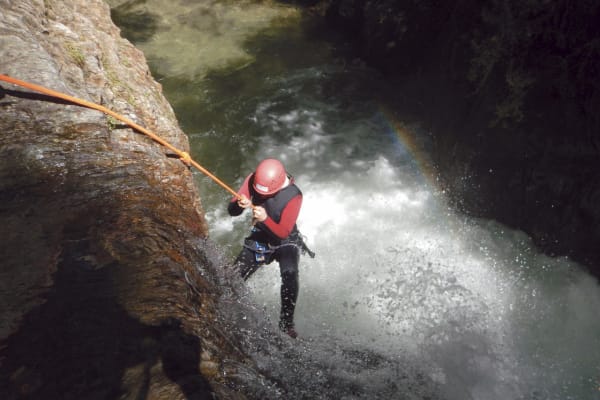
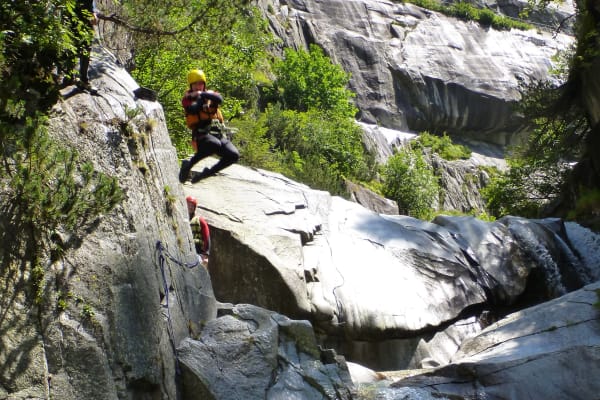
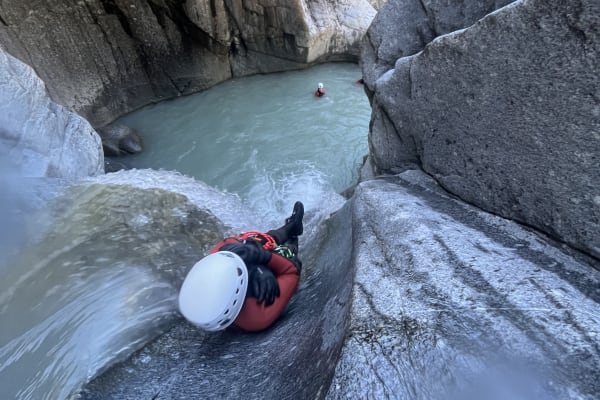
The core season for canyoning in France runs from May to September. June through August offer the most stable water levels across the French Alps and the Pyrénées, with air temperatures above 25°C offsetting cold canyon water (8°C to 14°C in alpine zones). The Ardèche and Verdon Gorge regions extend the window into early October thanks to milder southern climates.
Guided canyoning in France starts at 34 € per person in Ardèche and 35 € in Ariège for half-day introductory descents. Full-day technical routes in Grenoble reach 500 €. The national average sits in the 40 € to 90 € range for a standard 3-hour group session including wetsuit, helmet and harness rental.
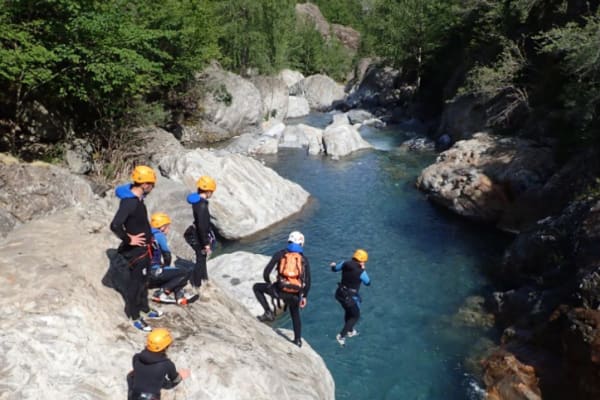
Yes. Beginner-friendly canyon initiation routes exist across multiple regions, including Ardèche, Ariège and the Cévennes National Park. No prior climbing or rappelling experience is required for entry-level descents. Operators in Ardèche, rated 5.0/5 on 285 reviews, specifically offer routes graded for first-timers with jumps under 3 metres and no mandatory swims.
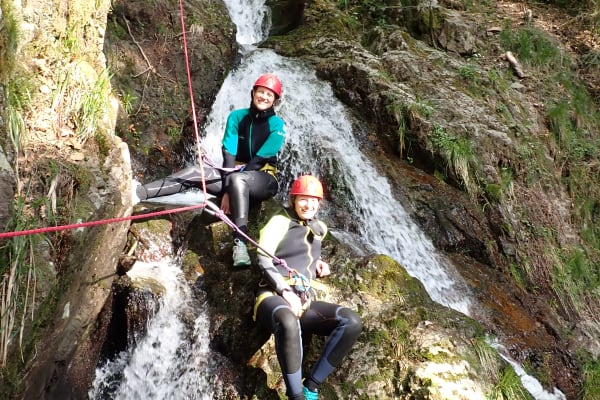
All certified operators provide a neoprene wetsuit, helmet and harness as part of the booking fee. You need to bring grip-soled shoes that can get wet, ideally old trainers. Above 1,000 metres in the French Alps, a 5mm neoprene suit is standard. Operators affiliated with the Fédération Française de la Montagne et de l'Escalade carry all mandatory safety equipment on site.
Bavella in Corsica leads all French destinations with a 5.0/5 rating across 643 verified reviews, driven by its granite Solenzara canyon routes. Ardèche follows with 5.0/5 on 285 reviews, and Ariège scores 5.0/5 on 51 reviews. Grenoble rounds out the top tier at 4.85/5 on 47 reviews for its technical alpine descents in the Vercors and Chartreuse massifs.
Discover our complete guide for your first experience.
Updated September 2026